Your offsite was three weeks ago. All the payments have cleared, the photos are in your company Slack, and at all-hands yesterday somebody asked what you all decided. The execs all said something different.
That's a common ending to an offsite, but it has very little to do with what happened on the ground. Whatever went wrong was set weeks before anyone boarded a plane, in a decision about your dates, your room, or a document that went unopened.
Mistake 1: prioritizing the dates and the venue above the agenda
Dates are a decision you can settle in a 20 minute meeting. But crafting a thoughtful agenda is work. So your dates go out, a venue gets held, and a month later somebody opens a blank document (or blank AI chat) and starts designing your program.
But the room you chose is constraining your decisions for you.
A ballroom with pillars and no daylight turns the session that needed 6 small groups into a panel. A property an hour from downtown restaurants eats an hour on each end. A restaurant that can't seat 40 at one table turns the dinner you were counting on into three separate dinners in three corners of the room.
So write the agenda first, in blocks, on one page. Include who runs what and the decisions that must come out of it.
Then hand that page to whoever is sourcing the venue, because it doubles as your sourcing brief. Our offsite planning framework can help you with this.
Mistake 2: the venue fits a different group than the one flying in
Surf Office surveyed 90 companies and looked at more than 200 offsites: 51% named location and venue sourcing as the hardest part of planning one. The hardest part isn't the catering. It's the room.
A property that suits 12 executives will sink your 50-person retreat mixing 5 teams. A resort built for 200 leaves your leadership team of 15 rattling around with too much space.
The same sizing question applies to everything you book inside the venue. At a Miami sales kickoff for a 60-person revenue team, the client wanted to send the whole group to one activity on the free afternoon.
We talked them out of it. One activity for 60 people limits what any venue can host, and it doesn’t allow new conversations and connections to form organically.
So we sent out a menu instead: a jet ski tour of Biscayne Bay, a Bikes and Bites ride along Miami Beach, a walking and tasting tour of Little Havana, and a graffiti class at the Wynwood Walls. People picked for themselves, which organized them by interest, not by function, manager, or any work-related trait.
That kickoff earned an event NPS of 77, and the comments praised the same thing: room to connect across territory and tenure.
So before you fall for a property, know your attendee group. How many people, from how many teams, and how many of them already know each other? Then ask the venue how it will make its rooms work for you.
Mistake 3: the agenda runs 8am to 8pm
Once your flights are booked, you might feel the need to fill every hour, because you're paying for the conference rooms all day. That instinct is how you exhaust your staff. You get worse thinking out of them than you'd have got on an ordinary Tuesday at their desks.
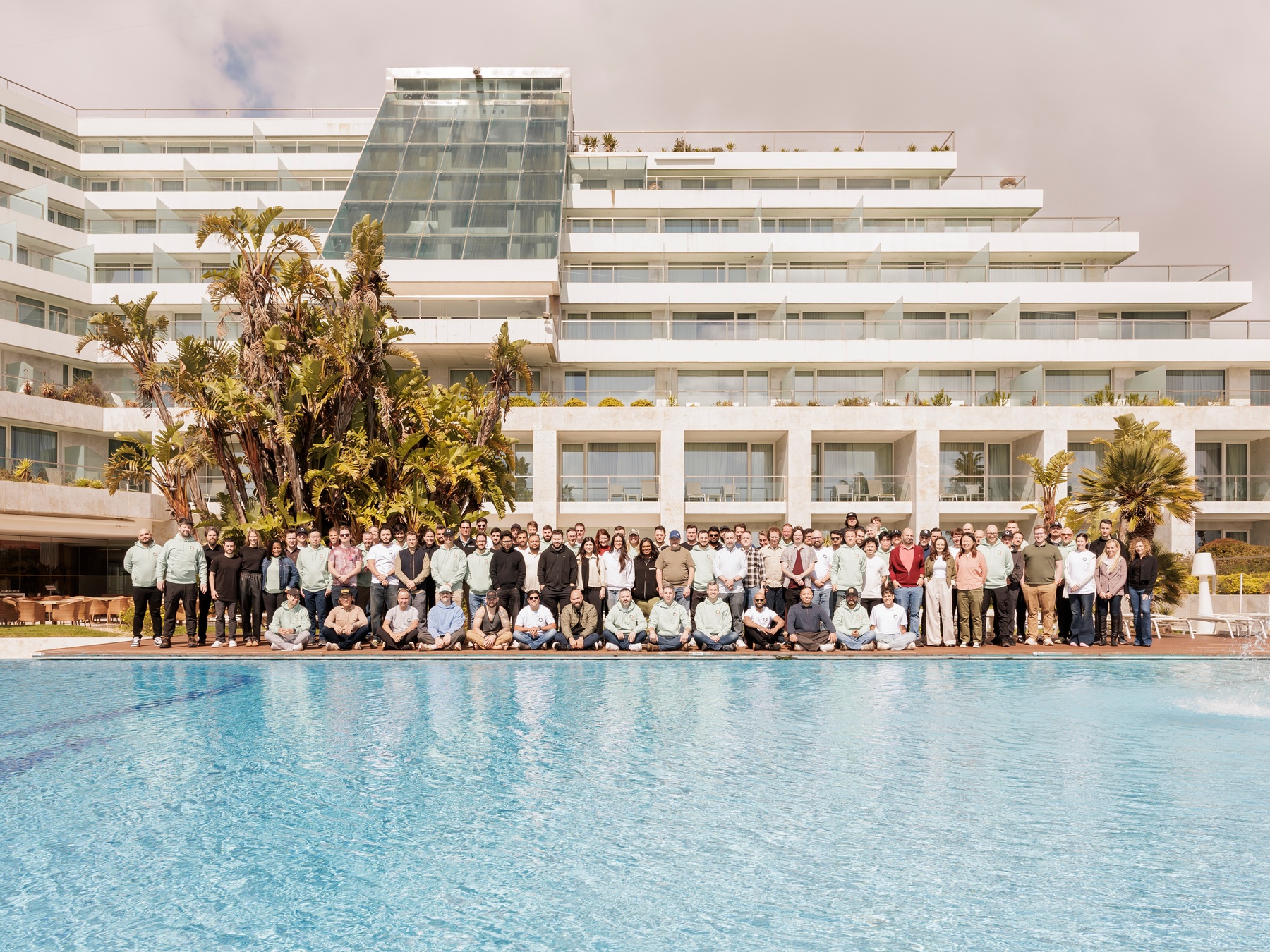
The Portugal offsite we ran for a 130-person team spread across 20 countries made it concrete. Almost everyone crossed time zones to get there, so no one was operating at their best during the 8am sessions. The client's own note for the next one was later starts.
A 4-night Austin retreat for 40 people arrived at the inversion of the same rule. A longer event needs quiet working time built into the agenda, typically in the afternoons, because your teammates still have urgent work and clients don’t care that they're away.
So start at 10:00 on the day after people fly in. Two working blocks before lunch, one after, finished by 5:00. Then protect one afternoon and let people do what they want: coffee chats, naps, catching up on work, etc.
Mistake 4: everyone lands without doing the homework
Your strategy session begins, and the first 90 minutes are about catching people up. In short, you flew 40 people across an ocean to watch a recap of the quarter.
Pre-work fixes that. Enforce a 1 page memo from whoever owns each topic, including the 3 FAQs each person must answer in writing, due 5 business days before the flight.
Tell everyone to read the documentation on the plane and have printed copies ready in the first session, so your room starts with productive conflict and decision-making, not just background recaps. If you want your pre-work designed alongside the agenda rather than after it, request a proposal from us.
Mistake 5: the decisions languish without an owner or a due date
The offsite ends, everyone flies home, and by Thursday the whole thing has evaporated. No feedback survey, no debrief, and no record of which sessions got results, which means next year's planner starts from the blank page you started from.
Every decision should leave your meeting with a directly responsible individual and a due date on it, typed into a document on the screen while the session is still running, then circulated within 48 hours. Run the debrief 5 days later while memory is fresh: 45 minutes, everybody who ran a session, 4 questions.
- What did we decide, and who owns each one?
- What are we doing differently because of the decision?
- Which block of the agenda would we cut?
- Which block would we pay double for?
Write the answers somewhere your successor will find them. Our guide to measuring the return on a sales kickoff has a methodology that carries over to any offsite, including survey questions and the 30, 45 and 90 day checkpoints.
Mistake 6: the planning is still sitting on top of somebody's real job
There's a point where an offsite outgrows the person planning it, whether that’s the chief of staff, the head of people, or you, dear reader. Most people spot it 6 weeks too late, with the contracts signed and the hotel payments due.
We know a CEO who planned all his retreats himself, eventually realizing he needed help. He put roughly 80 hours into each of those but only 15 into the one we ran. That offsite scored an NPS of 87, with over 80% of the team agreeing they could do their jobs better afterward. Your time is better spent on your actual job responsibilities, not planning an offsite!
Then there's the part you can't plan for. Two months before the Portugal offsite I mentioned above, a hurricane closed the Jamaican resort it was supposed to happen in.
We rebuilt a 130-person program in a different country in under 3 months. 90% of the employee base still came in person, with the event scoring an 82 Net Promoter Score. Absorbing that on top of your day job is the difference between a difficult quarter and a bad one.
Being able to source a venue doesn't make sourcing a venue the best use of your week. Our corporate offsite service is scoped as one accountable partner from your first brief through your final debrief, with staff on site for the program.
Don’t waste your time.
Affinity Travel Co. is a single partner that plans and executes corporate offsites and executive retreats for groups of 10 to 500, booking and managing every vendor from venue and air to private dining and ground transport, with staff on site for the program.
When you're ready to hand the build over, request a proposal. It's free, and we’ll help you design an agenda based on your strategic goals, not just hand back a list of venues and room choices.
Frequently asked questions
Why do most company offsites fail?
What should we decide first, the dates or the agenda?
How many hours a day should an offsite agenda run?
When does offsite planning need an outside partner?