5 rooms of 20 people, all going at the same time, each room within 90 seconds’ walk of the main room.
Few hotels meet that requirement.
Choosing a sales kickoff venue for 100 reps usually runs backwards. Pick a city, shortlist three hotels, take the tour, then bend the agenda to fit whatever rooms the winning hotel happens to have available.
Turn it around. Write the agenda, convert it into 6 numbers, then use those numbers to disqualify properties before you take a site visit.
Here's what we’ll cover below: the room count, the airfare constraints that decide your city, the email to send and what the replies tell you, the site visit with a stopwatch, the clauses worth fighting for, and the hidden costs to consider.
Room count over city selection
Space comes first because you can’t renegotiate it later. A hotel can move a rate. It can't move a wall (except for those crappy airwalls no one likes).
How much room does a group of 100 need? These are the numbers we plan against. Put them in your first email:
- General session, rounds of 10. Figure 12 to 15 square feet a person for seating alone, so 100 reps need roughly 1,500 square feet. Then add a 12 by 24 foot stage, a 10 foot buffer in front of it, and a rear aisle for cameras and snack tables. Ask for 2,800 to 3,200 square feet.
- Alternatively: General session, theater style. Closer to 8 to 10 square feet a person. You'll seat 100 in about 2,000 square feet, though nobody in that room gets a desk.
- Breakouts. 5 rooms seating 20 classroom style, at roughly 20 square feet a person, so 400 square feet each. You need all 5 simultaneously, not sequentially.
- Certification rooms. 2 rooms seating 4, both days, all day. Sometimes it’s easier to book more hotel rooms or use those that weren’t covered by the attrition clause.
- Meals. Either a separate room or a reset of the general session. The reset costs you the main room, so a tight agenda means you must insist on separate space.
- Ceiling height. 14 feet minimum wherever you're projecting. Under 12 feet, your back three rows in the main session can’t see the bottom of slides.
Who does this, and how long does it take? Whoever is directly responsible for the agenda, in maximum 90 minutes.
Details matter. A floor plan that looks generous on paper will often put your 5 breakout rooms on two floors at opposite ends of a corridor, which turns a 5 minute transition into an 20 minute one for 100 people who all take bathroom breaks, go back to their rooms because they forgot something, grab a snack, etc.
If you transition four times a day and a full session somebody spent a month designing is gone.
City choice based on flights
Which city? Here’s how we do it. List every attendee's home airport. Count how many attendees come from each airport.
Find the two or three cities where your largest group flies direct, then check two times for each: the last inbound the night before your first session, and the first outbound on departure day, because that decides whether you get a real first morning or a closing session that empties before lunch.
In the Amex GBT 2026 forecast, planners named cost as the top factor in choosing a destination at 38%, with ease of travel right behind at 37%, from a survey of 601 professionals across 8 countries.
With that said, a word on the cheaper second-tier city. We know the rates are better. But the airline routes and coverage are thinner too, which means one canceled evening flight strands 8 people overnight with nothing available until the next afternoon.
Price that risk before you take the savings.
Our post on how to plan a corporate offsite for 100 people runs the same tradeoff for a mixed group. We describe the per-capita math in calculating your sales kickoff budget per attendee.
The email that goes out before rates
What do you send a hotel? This, and nothing else, until they answer it in writing:
We're planning a two and a half day sales kickoff for 100 attendees, arriving [date], departing [date]. Before we discuss rates, please confirm in writing:
1. Square footage and ceiling height of the room you'd give us for general session, with a floor plan.
2. How many separate rooms seating 20 classroom style you can hold for us at the same time on [day], and the walking time from each to the general session room.
3. Two rooms seating 4 for private sessions, both days, all day.
4. Whether meals are in a separate space or need a reset of the general session, and how long that takes.
5. Number of guest rooms you can block, and how many are king versus double.
6. Any other group in the building on those dates with more than 50 people.
When Affinity Travel Co. sends that email, we ask for the answers within 5 business days. A hotel that’s not responsive at the proposal stage will likely be sluggish throughout the entire process.
Re: question 6, a hotel with another large group on your dates might reassign your breakout rooms, move your lunch, and route both groups through the same overtaxed elevator bank.
Reading the replies
Three answers disqualify a property outright, whatever the rate says:
- Fewer than 5 breakout rooms free at the same time on your main working day.
- Any breakout more than a 2 minute walk from the general session room.
- A general session ceiling under 12 feet when you're putting anything on a screen.
Everything else is negotiable. A hotel with 4 rooms and a fifth it could free up is still a live option, while a hotel with 4 rooms and a boardroom two floors up isn't, because nobody enforces a 5 minute buffer between sessions when the coffee requires a sprint downstairs.
Rank your shortlist on question 6 first, then walking time, then rate.
Read the language as closely as the numbers. "Comparable meeting space" means the hotel keeps the right to move you. "Subject to availability" on your breakouts means you don't have them. "We can accommodate that" isn't a square footage, so ask again for the number.
Regarding walking times, sales managers estimate them from memory, which makes them wrong in both directions by about 25-50%. Better to DIY.
The site visit, with a stopwatch
A site visit isn't a tour: it's a test. Run it at the hour your event will run, because a corridor at 2pm on a Tuesday is different from 10am on a Sunday.
Start in the back row and read a projected slide from there. Can't read it? Neither can your back three rows of attendees.
Then, in order, with a stopwatch:
- Walk (don’t run!) from the general session to every breakout room and time each leg. Anything over 90 seconds costs you about 4 minutes of transition per move.
- Find the restrooms nearest the general session and count the stalls. 100 people on a 15 minute break is a traffic jam, which starts your next session late.
- Ask where the coffee goes during a break, stand there, then see whether the line-up for coffee blocks a door.
- Open a breakout door while a session runs next door, and listen. Air walls leak, so two sessions get ruined.
- Ask to see the loading dock and the freight elevator, and what time deliveries stop.
- Check the cell signal in every meeting room. Basement meetings are cheap for a reason.
The clauses worth fighting for
100 people is an awkward number to book. You're big enough to need real infrastructure: 5 simultaneous breakouts, a stage, 2 private rooms, 100 guest rooms, a meal space that doesn't eat 45 minutes of your agenda.
You're also small enough that the sales manager rings the 400 person group back first.
The market has moved your way, though. Forrester found that nearly 70% of organizations are reducing the number of events they run, with just 18% planning more large hosted events, from a survey of more than 400 event decision-makers.
Fewer events, better attended, is where budgets are going.
However, the median annual turnover for account executives is 32%, so the roster you set in October isn't who travels in February. Four clauses hold all that risk. These are the ones we push on:
- Attrition. The standard ask is that you fill 90% of your block. Push back: Groups360 advises requesting 20% attrition instead of 10% when a group is unpredictable, which a sales team is based on that turnover figure.
- Name changes. Free guest changes up to 24 hours before arrival. Reps leave, reps get promoted, reps get pulled onto a deal that closes the week of the SKO.
- Meeting space guarantee. Name your rooms in the contract with their square footage, then add a line saying they can't move you without written agreement. Otherwise "comparable space" means whatever they decide.
- Resell credit. If the hotel resells a room you released, that revenue reduces what you owe via the attrition clause.
One line on the food and beverage minimum: it's a floor price. You're spending it regardless, so spend it on a second coffee break and a dinner people remember.
Where the cost changes
So what moves the total cost for 100 people? Four things, and the guest room rate is the least of them.
Dates change it most: the same hotel in the same city can cost double in peak season, so shifting your kickoff by a few weeks is frequently worth more than everything else you'll negotiate.
The room rate keeps climbing regardless. Hotel average daily rate rose 2.2% year over year in the first quarter of 2026, with revenue per available room up 3.8%.
Meanwhile 71% of meeting professionals expect cost per attendee to rise, so the quote you're given in August isn't the quote you're given in November.
Air comes next, usually the largest line after the venue. About 43% of meetings in 2026 are expected to include managed group air, which is what stops 100 separate bookings from becoming 100 separate problems on the Sunday night that everyone flies.
Production is third. A general session for 100 with a screen, two microphones, cameras, and a technician in the room is a real number. It's also the line most people forget until after signature, by which point ceiling height and power availability have already constrained what's possible.
Our full cost breakdown and the corporate offsite budget guide show how these lines interact at this size. If your SKO coincides with a new product pivot or launch, the certification playbook covers what that does to your breakouts.
What happens after you sign
Sourcing a venue is the easy part: it's everything after signature that eats a RevOps Manager alive.
Room lists come first, because the hotel wants a final one weeks before your attendee list gets finalized.
Then air. 100 reps out of 40 cities is 100 separate itineraries, and every schedule change drags a ground transfer time and a session start behind it.
Then it's 6:50am on day one and three things are broken at once: the air wall between breakouts two and three won't close, the audio and video crew needs to mic up the general session speaker 40 minutes earlier than promised, and 6 people are stuck in an airport hotel three states away. Who fixes all three before 9:00am?
If the answer is your sales operations manager, they'll spend your kickoff on a phone in a hallway instead of in the room, so the sessions they spent three months designing run without them.
That's the argument for handing it off.
Affinity Travel Co. is a single partner that plans and executes corporate offsites, executive retreats, sales kickoffs, conferences, and incentive travel for groups of 10 to 500, booking and managing every vendor from venue and air to private dining and ground transport, with staff on site for the program.
We negotiate the venue contract ourselves, hold the room block, optimize airfares, and stand in that chaotic corridor at 6:50am. Affinity Travel Co. holds IATA accreditation 36567215, with 30+ programs across 28 countries and 900+ guests, with ~40 trips already slated for 2027.
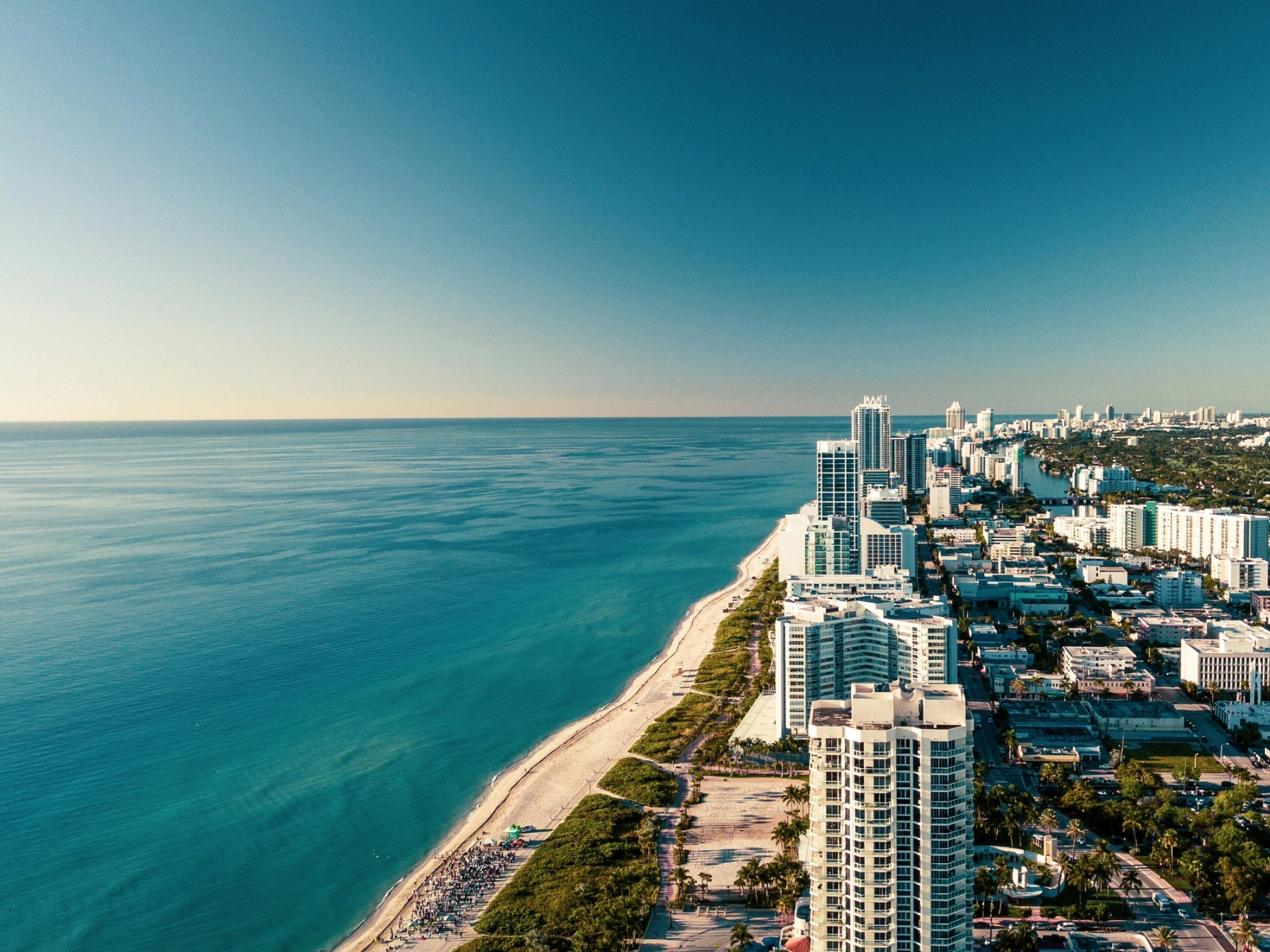
Our Miami sales kickoff for a 60 person revenue team scored an event Net Promoter Score of 77, and the attendees called it their best sales kickoff to date.
See our sales kickoff solution for what a delegated program covers, or request a proposal with your dates.
Frequently asked questions
How much meeting space does a 100 person sales kickoff need?
What should we ask a hotel before we talk about rates?
How far ahead do we need to book a venue for 100 reps?
Which contract clauses matter most for a sales kickoff?
Is a cheaper second-tier city worth it for a sales kickoff?