Two people sit in the same room at a conference. One came to learn from someone who's doing their job at a similar firm. The other came to meet the first person, and paid you for the chance.
So plan a client conference for sponsors and attendees by writing both promises down before you do anything else: one sentence for the guest, one sentence for the sponsor. Then build an agenda where sponsor intros are something your guests want, instead of something they sit through between sessions.
Your promises decide everything, including the sponsor tiers, the running order of each day, the lead handoff, and future renewals.
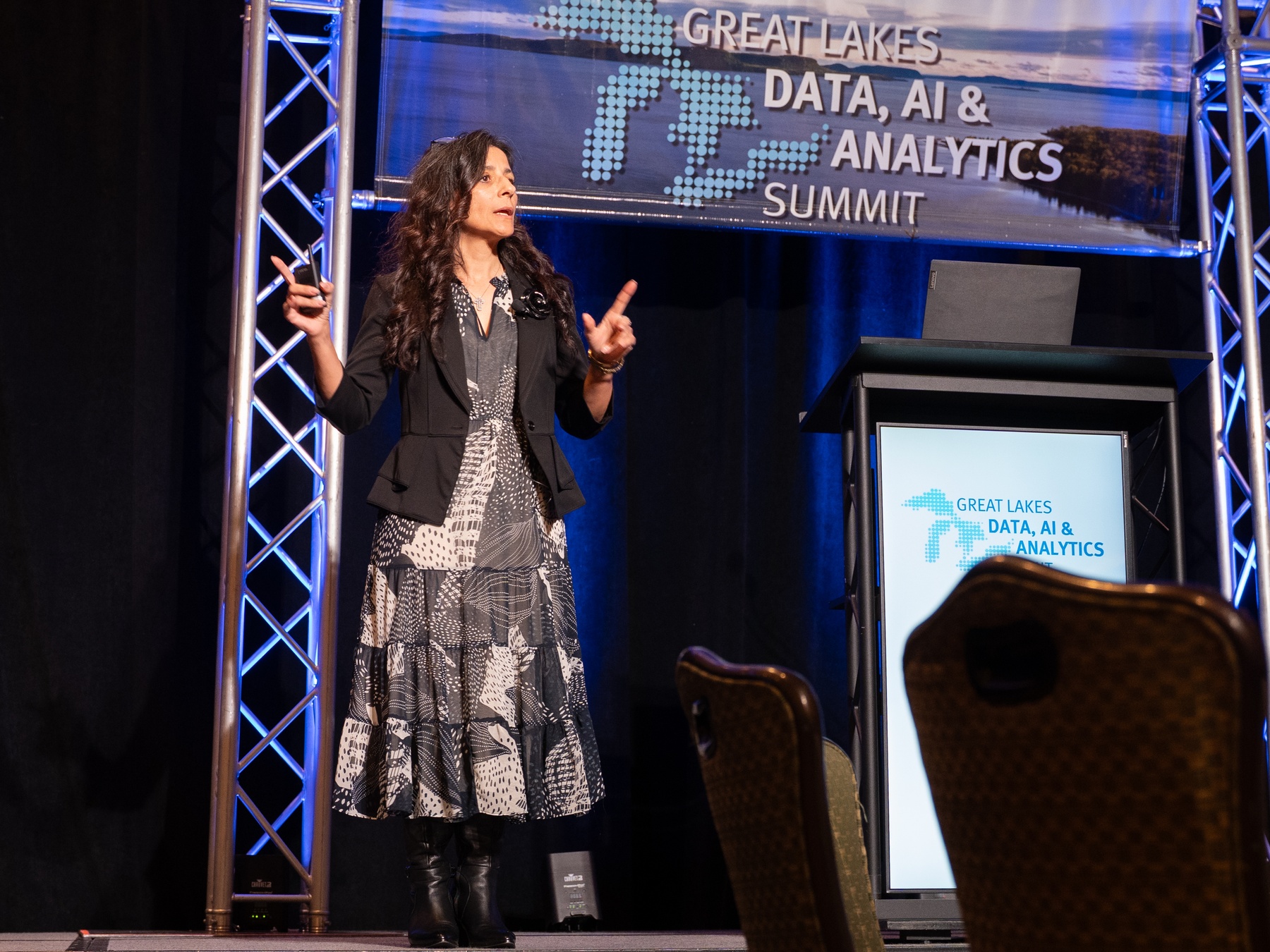
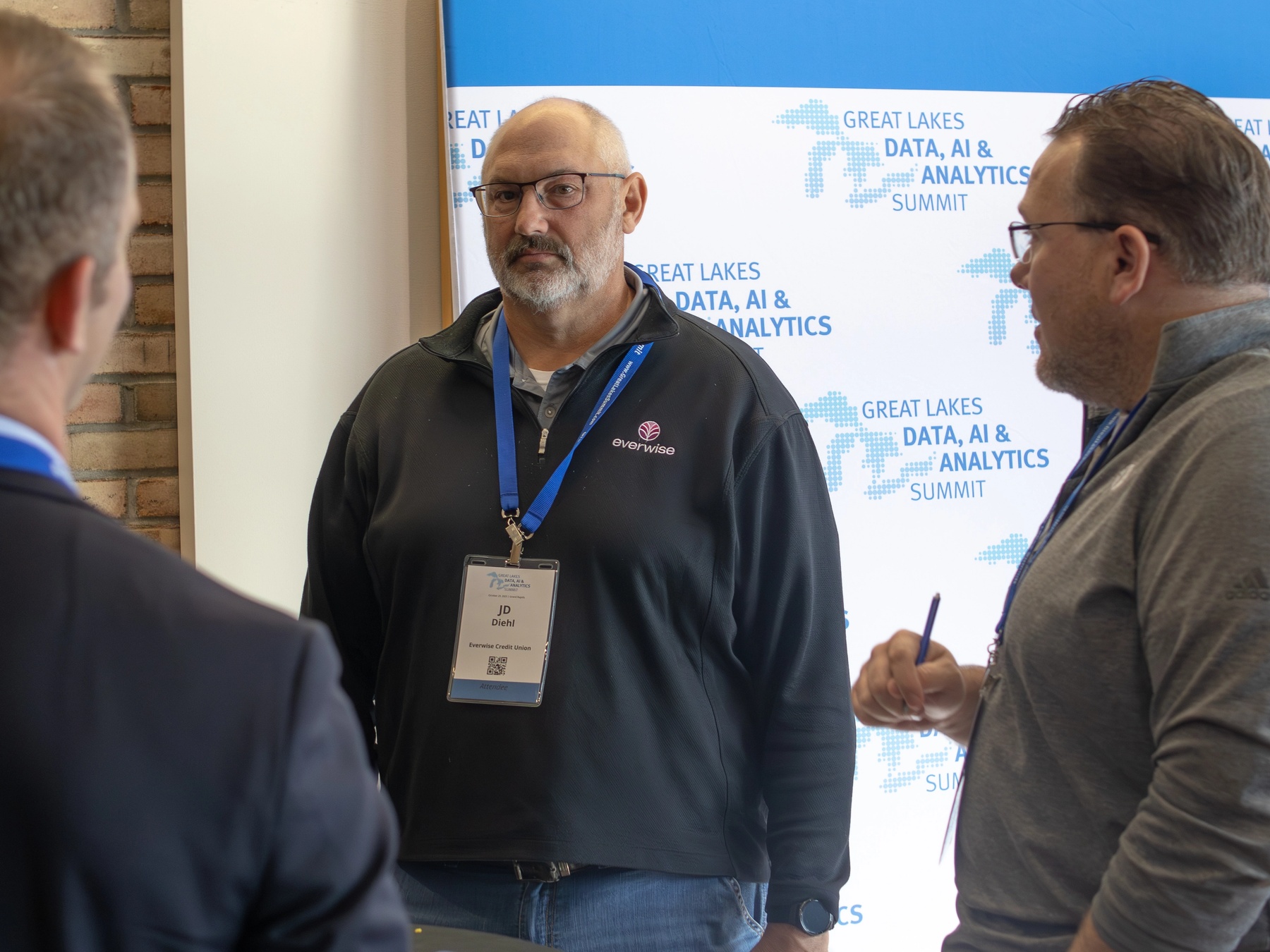
Our Michigan client conference is what it looks like when both promises are kept.
The attendee promise
What do you owe the people your guests? Write one sentence, publish it on the registration page where anyone can hold you to it, then repeat it in the confirmation email. This is what you hang your hat on, in terms of event branding.
Here’s an example:
Three sessions you can’t find anywhere else, two hours of structured “speed dating” with peers who have your same job title, and no sales pitch sessions.
That last bit is where most conferences break their word. An attendee who sits through an overbearing pitch disguised as a session has learned your agenda is for sale.
They'll probably mark next year's invitation as spam. Your returning guest ratio will drop off a cliff.
So hold the line. Sponsors buy access to the room, never the stages, unless one of them earns a slot the way everybody else does, by bringing a topic of general interest.
Now write the sponsor's sentence, which might be: "An audience curated by title and company headcount, doing an activity alongside you, with the exact problem you solve." One conference we know books Ferrari rides on a test track in Vegas to meet this promise.
Design the agenda backwards from those two sentences, the same way our offsite planning framework designs backwards from a single goal. Everything after that's an argument about logistics instead of purpose. That's much more bearable than panicking and rethinking the entire point of the event.
What a sponsor asks after the attendance number
Nobody senior asks how many people are coming. They ask the harder question, the one that determines whether they’ll actually pay you: how many of the right people, and will I get to talk to them?
It’s easy to present the wrong sponsorship prospectus. Attendance first: 250 people, here are the tiers, here's what each costs. Sponsors might nod along and perhaps even purchase.
But when half of them don’t come back in year two, you learn to stop selling that way. Sponsors care about brand activation - creating interactive, memorable experiences that build a direct connection between a company and its target audience.
So build every tier around that direct access rather than mere visibility. Tell a sponsor who's in the room and how you’ll put them in front of those people — it matters much more than how many people are coming.
The package, tier by tier
For a 250 person event, you don’t need many tiers. 3 will do. Adjust the counts to your event, then follow this maxim: every tier sells a fixed number of the right people for a fixed number of minutes.
- Tier one, four available. A 45 minute private event with 8 guests the sponsor picks from the attendee list. A branded happy hour or dinner. Logo on the registration desk and main stage.
- Tier two, eight available. A shared lunch table on both days, seating 8, with guests placed by interest. One seat at the sponsor dinner. Logo on digital signage in the event space.
- Tier three, unlimited. A table in the networking space, brochure / materials in the app, logo placement in the app.
Look at what tier one sells: 8 named people for 45 minutes. It’s basically impossible to get a captive audience of senior leaders any other way.
Then look at the caps. We hold tier one to four slots on purpose; if you sell 12 of them you've turned your conference into a trade show and broken the attendee promise instantly.
That shortage is also your pricing lever. A tier that sells out in week one was priced too low. But that's a better problem than cutting prices in month eight.
Set your prices against a market that's already tightening: 71% of meeting professionals expect cost per attendee to rise, with cost now their top planning challenge at 38%. Our breakdown of what a corporate offsite costs shows how the same costs look for a smaller internal program.
How to win sponsors
Tell a sponsor, in writing, all six of these:
- Expected attendance, plus last year's number.
- The relative proportion by job title.
- The relative proportion by company size, in bands.
- How many attendees are already their customers, and how many are not.
- (You’ll need their input obviously)
- How many of last year's guests are coming back.
- What data they will and will not receive, and when.
That last line prevents the argument that ends most sponsor relationships. Say plainly whether they get a list, what contact details it has, and what your attendees agreed to when they registered. If a sponsor receives only the people who visited their table or joined their lunch, that's a disastrous negotiation with an invoice prepaid.
Why does this matter more this year than last? Your sponsors aren't attending as many events.
Forrester found nearly 70% of organizations are cutting the number of events they run; for over half of them net-new lead generation is the main objective, across more than 400 event decision-makers. They're also comparing you against a market where only 18% plan more large hosted events while everyone else goes smaller.
Fewer events, bigger bets, harder to please. That's who you're selling into.
Three days, hour by hour
How do you build an agenda that satisfies two crowds? One rule: sponsor access must be within the thing your guests came for, never beside it.
Day one
- 1:00pm. Registration opens. Sponsor tables sit in the same room as the coffee, not down a corridor.
- 2:00 to 3:15. Opening keynote. Your content, no sponsor on the stage.
- 3:30 to 5:00. Roundtables, 8 to a table. Tier one sponsors host four of them, each with a written question instead of an open discussion.
- 6:30pm. Welcome reception. Sponsors come as guests: no booth, no pitch.
Day two
- 9:00 to 10:30. Two parallel sessions, both yours.
- 10:45 to 12:15. Customer panels. This is where a sponsor earns the stage, sitting beside a customer of theirs.
- 12:15 to 1:30. Assigned lunch tables. Tier two sponsors host. Guests are seated by interest, with the plan published the night before.
- 1:30 to 4:30. Workshops, capped at 50, no sponsors in the room.
- 4:30 to 6:00. Sponsor happy hour & unstructured networking
- 6:30pm. Sponsor dinners
Day three
- 9:00 to 10:30. Closing session and what happens next.
- 10:30 to 11:30. Coffee, then everybody leaves.
In our experience it's the assigned lunch seating that earns the most mail afterward. The work costs us one afternoon, sorting 250 people into tables of 8 by what they told us they wanted to talk about, which turns the hour most conferences waste into the hour your sponsors write to you about in 2 quarters.
The lead handoff
What does a sponsor get afterward, and when? Decide before the event, then write it into the agreement.
How fast? Ideally, within 5 business days. A list that lands three weeks later is cold, which your sponsor's sales team will mention in the renewal meeting. No one remembers a conference that ended a month ago.
For each attendee who opted in, send these fields: name, title, company, LinkedIn URL, which session(s) or table(s) they joined, and one line of context your own staff wrote on the day.
That's the difference between a list and a lead. It's also why somebody from your team should sit in every roundtable taking notes (or run an AI notetaker like Granola) rather than leaving the room to the sponsor who paid for it.
Getting the data right matters more than most people expect. Forrester found two-thirds of organizations have now connected their event platform to the wider sales and marketing systems, a 44% rise year over year, with 62% of the deeply connected firms satisfied compared to 37% of everyone else.
Enable your sponsors to get high quality data. Think through relevant integrations for your event software. A lead sitting in a spreadsheet on somebody's desktop is a lead lost.
The after-action report
This is the document that renews a sponsor, yet no MICE professionals send one. One page per sponsor, sent 14 days after the last session:
- Attendance, actual against forecast.
- Who they met, by title band and company size.
- The three questions asked most often at their table, in the attendees' own words.
- What the sponsor asked for that you couldn't provide, and what you'll do improve next year.
- Next year's dates, their right of first refusal, and the deadline on it.
It's the fourth line that surprises people. Writing down what went wrong before your sponsor has to raise it is the most effective renewal tool we've used, because it moves the conversation from complaint to plan while they still have generally warm feelings from the event.
It also puts you in a small minority: only 26% of organizations require a post-event survey at all, and just 24% write any return measure into their meetings policy, from 601 meeting professionals across 8 countries.
Overwhelmed at 8:20am on Day 2
Running your content is a real job. Running the room is a different one.
They collide at 8:20am on day two, when the parallel session rooms have been swapped overnight, a sponsor's swag shipment is stuck in a loading dock, and two speakers are sitting on delayed flights.
Who fixes all three while your opening session runs?
If that's the person moderating your roundtables, your guests just lost some of the value they paid for.
A 250 person conference runs on numerous separate vendor agreements: venue, air, ground transport, production, registration, speakers, off-site venues, photography, signage, insurance, and staffing. Each one carries a deposit, a deadline, and project management burden.
That's the argument for handing it over. Affinity Travel Co. is a single partner that plans and executes corporate offsites, executive retreats, sales kickoffs, conferences, and incentive travel for groups of 10 to 500, booking and managing every vendor from venue and air to private dining and ground transport, with staff on site for the program.
Our conference planning solution covers groups of 10 to 500+. Bring your two promises, the guest one and the sponsor one, then request a proposal from there.
Frequently asked questions
How do you plan a client conference that works for sponsors and attendees at once?
What should a conference sponsorship package include?
How much should I tell sponsors about my attendees before they sign?
How quickly should sponsors get their leads after a conference?
Should conference sponsors be allowed to speak on the main stage?